


Vietnam has set an ambitious target of welcoming 25 million international visitors in 2026, building on a strong post-pandemic recovery driven by liberalized visa policies, expanded air connectivity, and diversified tourism offerings. This was revealed during the ASEAN Tourism Forum (ATF) National Tourism Organization country presentations last January 28 in Cebu.
 Country presenter, Nguyen Quy Phuong, Director for Tourism Marketing Division of Viet Nam National Authority of Tourism, said the country recorded a 20 percent increase in international arrivals alongside higher tourism revenues, supported by a visa regime that now allows 90-day e-visas for travelers from all countries. Vietnam has also implemented unilateral visa exemptions for 30 countries, including expanded access for European markets, reinforcing its appeal as a long-stay destination.
He also mentioned that air connectivity continues to strengthen, with more than 85 international airlines now flying to Vietnam and offering extensive direct and indirect connections across Asia, Europe, and North America. Major gateway cities combine modern infrastructure with strong cultural identity, heritage value, and authenticity.
“Vietnam’s tourism sector has fully recovered to pre-pandemic levels, with 2025 arrivals surpassing 2019 figures,” said Phuong. Adding that domestic tourism receipts reached nearly USD 39 billion, highlighting the sector’s growing economic contribution.
Internationally, Vietnam has gained recognition as a leading heritage, cultural, and lifestyle destination, earning accolades for its walkable cities, culinary scene, and living heritage experiences. Global hotel brands, travel organizations, and destination rankings continue to endorse Vietnam as one of Asia’s most compelling tourism markets.
He noted that safety, political stability, and the hospitality of Vietnamese people remain key factors influencing destination choice. Ongoing investments are focused on improving service quality and expanding infrastructure, including transport networks, visitor facilities, and tourism services across major destinations.
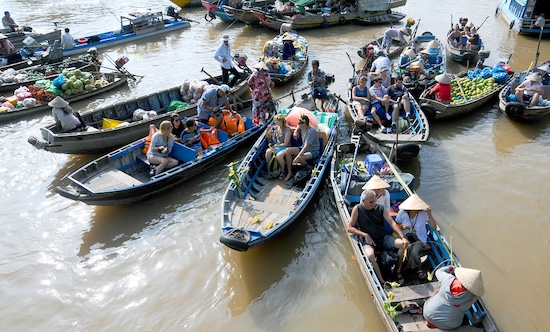
Vietnam is actively promoting a wide range of tourism products, from UNESCO-listed tangible and intangible heritage sites to beaches, mountains, caves, islands, and highland destinations. Visitors can experience diverse landscapes—from tropical coastlines to snow-covered peaks in northern highlands—alongside rich ethnic traditions and cultural festivals.
Culinary tourism has emerged as a major draw, with Vietnamese cuisine gaining global popularity for its freshness, flavor, and affordability. The country now boasts numerous Michelin-recognized restaurants, alongside a vibrant street food culture that reflects regional traditions and local produce.
Adventure and wellness tourism are also expanding, with offerings that include trekking, motorbiking, caving, diving, medical tourism, traditional spa retreats, and holistic wellness experiences. Golf tourism is another fast-growing segment, with over 100 golf courses currently operating and plans to develop more than 200 courses nationwide, particularly in Central Vietnam, which has gained international attention as a premier golf destination.
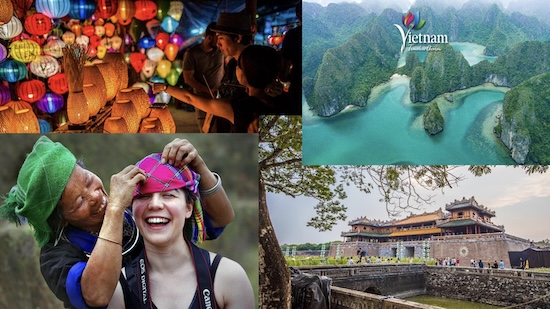
Vietnam is also strengthening its MICE tourism positioning, supported by world-class hotels, beachfront resorts, and new convention facilities, particularly in Da Nang and key island destinations. A major convention center and airport terminal expansion are scheduled for completion by 2027.
Infrastructure development remains a priority, with new airports under construction near Ho Chi Minh City and Hanoi, airport terminal upgrades, and long-term plans for a north–south high-speed rail network. Heritage rail tourism products, including cultural city tours in Hanoi, are also being introduced.
Administrative reforms are underway following the consolidation of provinces, reducing the total number from 63 to 34, enabling more integrated tourism planning that connects mountains, ports, islands, and coastal areas. Signature events such as coffee festivals, cultural celebrations, and international sporting events continue to enhance Vietnam’s destination appeal.
Tourism authorities said these combined efforts position Vietnam for sustained growth as one of Asia’s most dynamic and competitive tourism destinations.


