

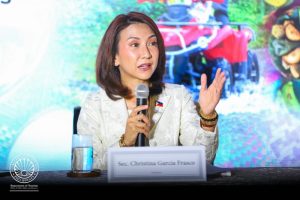
Tourism Secretary Christina Garcia Frasco offered a candid update on the state of Philippine tourism for the first half of 2025, outlining the factors—both man-made and natural—that contributed to lower-than-expected arrival figures in 2024.
She began by pointing to a drastic reduction in the tourism branding and promotions budget, which she said was politically motivated. From a high of ₱1 billion in 2018–2019, the budget was slashed to ₱200 million in 2024 and further down to just ₱100 million this year.
Despite the budget cuts, the Philippines welcomed six million tourists in 2024, generating ₱3.86 trillion in tourism receipts. The industry also directly employed 6.75 million Filipinos, with an additional 10 million benefiting from indirect jobs across the tourism value chain.
Any way you look at it, the funding reeks of political manipulation—meant to render the DOT inutile with certain lawmakers pushing their own agenda by deprioritizing tourism in the national budget.
In her remarks, Frasco lamented that while other ASEAN countries enjoy tourism budgets ten times larger than the Philippines. The Department of Tourism remains lumped under the category of “other government agencies” and is never among the top ten budget priorities.
Yet tourism’s contribution to the national economy is undeniable. According to the Philippine Statistics Authority, the sector contributed 8.9% to the GDP in 2023—up from 6.2% in 2022—and had reached as high as 12.9% pre-pandemic in 2019.
Tourism should be humanized, not politicized. Frasco asserted, noting the industry’s potential to uplift communities across both formal and informal sectors. “We cannot limit our view to those with formal employment alone. We must include the countless Filipinos who are informally employed and those who benefit indirectly.”
While the DOT can draw supplementary funding from TIEZA (via travel tax proceeds) and PAGCOR (via gaming revenues), Frasco argued that a stronger national budget is crucial. “If we limit the discussion to facts, not politics, then we’re confident our budget proposals will be approved,” she said.
Holding a Cabinet post inevitably invites political intrigues, especially when appointments are made by the President. The performance of government agencies should be measured by impact—not speculation. While the DOT has not been immune to corruption allegations in the past, Frasco believes its economic potential far outweighs its liabilities. It is documented that countries with fewer natural attractions, such as Cambodia (19% of GDP from tourism) and Macau (50%), have achieved far greater returns.
Beyond politics, Frasco identified other formidable headwinds: the continued absence of the China market, fewer airline seats, wars and regional conflicts affecting key source markets, extreme weather events, and misleading social media posts that damage the country’s image.
Despite all these challenges, she remains optimistic. Enhanced collaboration with other government agencies, the private sector, and foreign governments continues to play a pivotal role in bridging funding gaps. The DOT is also investing in security, technology, and diplomacy to maintain the country’s competitiveness.
“We face many storms—political and literal—but the work is worthwhile,” said Frasco. “Our passion is shared by the millions of Filipinos who pour their blood, sweat, and tears into Philippine tourism.”


