

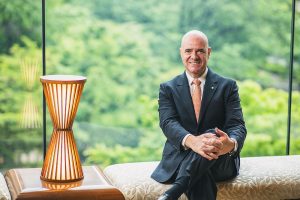
Osaka, Japan — As Japan continues to attract record visitor arrivals, InterContinental Osaka is placing stronger focus on the Philippine market — one of the country’s fastest-growing sources of travelers in recent years.
“The Philippines is a growing market, especially after the World Expo held in Osaka that ended last year. It’s definitely a market that we want to attract, and we want to make ourselves attractive to the market,” said Jerome Palacoeur, General Manager of InterContinental Osaka.
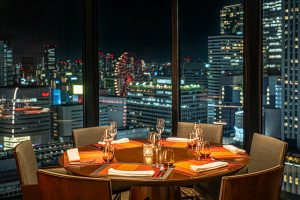
A Growing Filipino Market
Japan remains a favored destination, with hundreds of thousands visiting annually. Some reports estimate nearly 900,000 Filipinos visited Japan in 2025, making the Philippines as one of Japan’s top source markets.
Luxury properties such as InterContinental Osaka are well-positioned to appeal to affluent and repeat visitors seeking a more refined way to experience the country beyond traditional sightseeing circuit.
According to Palacoeur, these evolving travel preferences align naturally with Osaka’s appeal as both a leisure and lifestyle destination.
“The top activities of Filipino travelers in Japan revolve around gastronomy, seasonal sightseeing, and exploratory shopping. Osaka naturally offers all of these experiences,” he said.

Evolving Luxury Preferences
Palacoeur believes luxury hospitality itself is also changing, especially among modern Asian travelers who increasingly prioritize comfort, personalization, and authenticity over rigid formality.
“We have a good base of luxury guests ever since we opened 13 years ago. The luxury offering is focused on the guest experience. Every hotel is beautiful, every hotel has their own identity,” he explained.
According to him, InterContinental Osaka positions itself within what he describes as “less intimidating luxury” — a style of hospitality that balances sophistication with warmth and accessibility.
“It’s luxury that remains approachable,” he shared. “Guests today want comfort. They want genuine service. They want experiences that feel natural and memorable.”
 Luxury hotels are one of the many fastest-growing segments in Japan’s hospitality industry, driven largely by inbound international tourism. Luxury ADR’s (average daily rates) have grown strongly as foreign visitors continue to spend more on accommodations (Savills Asia)
While Japan does not publish an official nationwide figure on how many foreign visitors stay in luxury hotels, industry reports indicate that international travelers are a major driver of the country’s luxury hospitality growth. Luxury hotels have recorded some of the strongest room-rate.
Japan luxury hotel market size, valued at USD 7.28 billion in 2025, is projected to reach USD 10.20 billion by 2034, supported by record-breaking inbound tourism that saw 42.7 million international arrivals in 2025 (imarcgroup.com)

Concierge-driven Experiences
For many international guests, especially first-time visitors to Japan, personalized assistance also remains essential despite the country’s efficient transportation systems and growing digital accessibility.
“Many of our guests travel independently and can navigate Japan comfortably, but because of the language factor, situations still arise where assistance is needed,” Palacoeur said.
“Our concierge team is highly knowledgeable and deeply connected with various local experience providers. Through our Insider Expertise program, we can arrange experiences exclusively available to our guests.”

Sustainability and Leadership
Beyond luxury and service, sustainability has also become an increasingly important operational focus for the hotel and for Japan’s hospitality sector overall.
Rather than treating sustainability as a trend, Palacoeur emphasized the importance of measurable systems and long-term accountability.
“We have a strong checklist from the brand perspective when it comes to carbon reduction, water conservation, and waste management,” he explained.
“We ensure these initiatives are measurable — including water consumption monitoring and operational auditing.”
Among the sustainability measures introduced at the hotel are reduced single-use plastics, the use of mineral water in aluminum cans, and the planned rollout of QR-based keyless room access systems.
Palacoeur himself recently received the East Asia & Pacific GM of the Year — Impact Award from IHG Hotels & Resorts, recognizing his leadership across operational excellence, guest engagement, and service culture.
With more than three decades of hospitality experience across Japan, French Polynesia, and Europe, his career has been deeply rooted in guest relations and concierge operations — an experience he believes continues to shape his leadership style today.
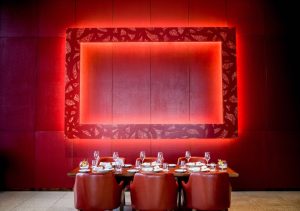
Luxury Tourism Outlook
“In hospitality, details matter,” he said. “Luxury is not only about beautiful spaces. It’s about how guests feel during their stay and the memories they bring home afterward.”
As Japan’s tourism landscape continues evolving post-Expo, InterContinental Osaka appears focused not only on attracting more travelers, but on creating a more personal and experience-driven form of luxury hospitality for the growing Filipino market. A luxury option for Filipinos who view Japan as a destination worth experiencing in style.


